This Isn't Coming. It's Here.
In April 2024, the Department of Justice finalized an update to ADA Title II that, for the first time, codifies specific web accessibility standards for all state and local government entities. Every page, every PDF, every online form your municipality publishes must meet WCAG 2.1 Level AA.
Cities with populations over 50,000 face an April 2026 deadline. Cities under 50,000 have until April 26, 2027. There are no exemptions based on size. A village of 500 residents has the same requirements as New York City.
The penalties are real: $75,000 for a first violation, up to $150,000 for subsequent violations. But the bigger risk isn't the DOJ. It's private lawsuits.
Even if DOJ enforcement slows under this administration, private lawsuits are surging 37% year-over-year and are completely unaffected by who's president. Over 5,100 ADA web accessibility lawsuits were filed in 2025. Plaintiffs' attorneys are expected to systematically target non-compliant governments after the deadlines pass.
"38% of local officials reported being unaware of the Department of Justice mandate altogether."
CivicPulse National Survey of 1,004 Local Government Officials
Municipalities Are Already Feeling This
These aren't hypotheticals. These are public records from the past two years.
After a lawsuit against neighboring Manatee County, the City of Bradenton took its entire website offline for months rather than risk additional litigation. Their residents had no digital access to city services.
Settled an accessibility lawsuit for $16,000 to the plaintiff, with a $1,500 per day fine if compliance wasn't achieved within 14 months.
Four Texas counties settled with the DOJ in 2024 after their election websites were found inaccessible. Required to hire independent auditors, adopt new policies, and train staff within four months.
"I work for a county government department and we are in the midst of bringing our public websites and documents into compliance." This worker was building DIY VBA scripts to scan documents because no adequate tooling existed for their situation.
Issued an RFP explicitly titled "Website Redesign and Development ADA Title II Compliance" - a small city formally procuring accessibility help.
"We are a relatively small but mighty staff. I think we are doing what we can."
Alex Trefry, Public Information Officer, Manitou Springs, Colorado
The Common Approaches Have Serious Problems
I've studied the options available to municipalities your size. Most of them have significant drawbacks that aren't obvious until you're already committed.
Accessibility overlay widgets (accessiBe, UserWay)
The FTC fined accessiBe $1 million in 2025 for falsely claiming their AI product makes websites compliant. Courts reject overlays, and 25% of all ADA web lawsuits in 2024 targeted sites with overlays installed. They cost $500/year and create a false sense of security.
Enterprise accessibility platforms (Siteimprove, Deque, Level Access)
These are excellent tools. They also cost $28,000 to $100,000+ per year. Built for Fortune 500 companies and large federal agencies, not a city of 15,000 with a $30 million annual budget.
Automated scanning tools alone
Automated tools catch only 30-40% of accessibility issues. They can't tell if alt text actually describes an image, if heading structure makes sense to a screen reader, or if your form can be completed with a keyboard. A clean scan doesn't mean compliance.
Waiting to see what happens
The rule is codified. Private lawsuits don't require DOJ involvement. Pro se filings (individuals filing without attorneys) increased 40% in 2025, partly because AI tools now make drafting complaints trivial. The risk isn't going away.
"Manual evaluation of each page is cost-prohibitive and could easily bankrupt many counties and municipalities."
Converge Accessibility
"Municipalities remain fully liable for digital accessibility, regardless of who operates the technology."
Accessibility.Works
What I'd Like to Build for Municipalities Your Size
I've been studying the compliance gap for cities under 50,000 population. Enterprise solutions are too expensive. Overlays are discredited. Automated scans aren't enough. What's missing is a managed approach sized for your budget and your reality.
Here's the kind of service I want to build:
Compliance assessment
A thorough review of your website, PDFs, and online services against WCAG 2.1 AA. Automated scanning plus manual expert evaluation of the issues automated tools miss.
Prioritized remediation roadmap
A realistic plan that accounts for your staff capacity and budget. What to fix first. What carries the highest legal risk. What can wait.
Expert remediation
IAAP-certified accessibility specialists doing the technical work. Not an overlay or a toolbar. Actual code fixes, document remediation, and changes to how your site is structured.
Ongoing monitoring and support
New content and website changes can reintroduce accessibility issues. Ongoing monitoring catches problems before they become legal exposure.
About
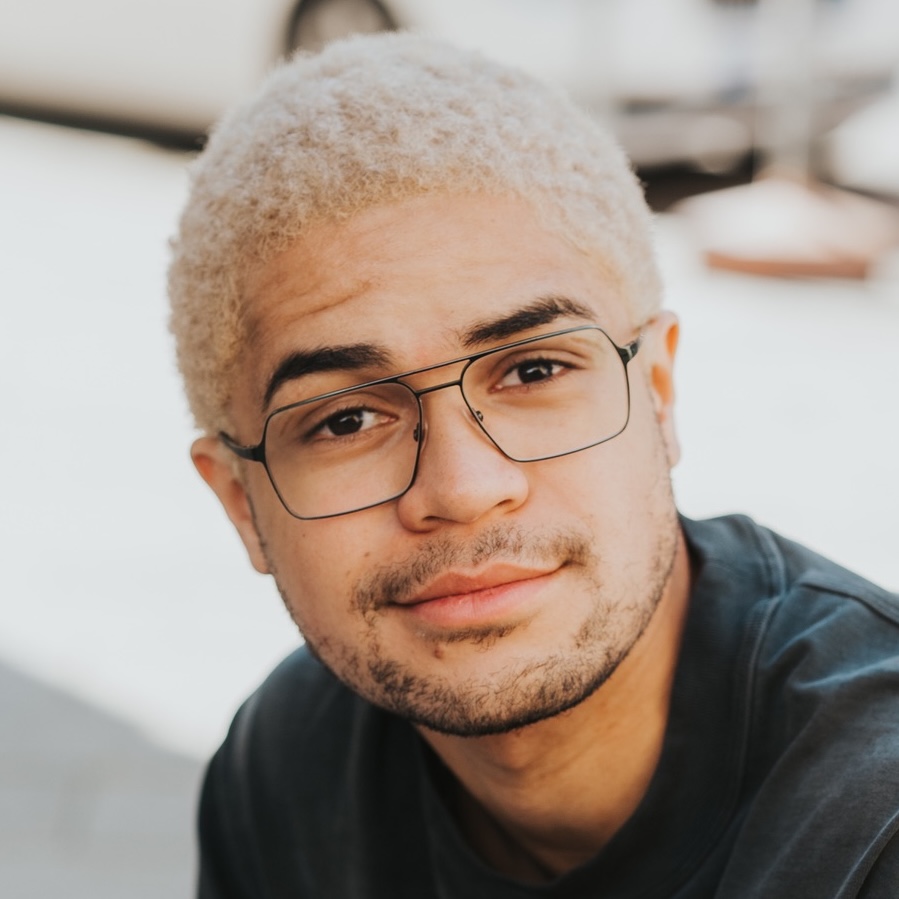
I'm Christo Wilken, a tech consultant based in Germany. I've been studying the ADA Title II compliance gap for municipalities under 50,000 population. The ones too small for enterprise accessibility platforms but too exposed to ignore the deadline.
I've read the forums where county workers describe building DIY scripts to scan thousands of documents. I've studied the survey data showing 38% of officials don't know about this mandate. I've tracked the lawsuit numbers and the enforcement actions and the municipalities that took their websites offline in panic.
I want to build something that actually helps cities your size get compliant without the enterprise price tag. The technical accessibility work would be done by IAAP-certified specialists. My role is managing the process and translating technical requirements into plain language so you're protected before the lawsuits start.
But the right version of this comes from talking to people who live with these problems every day. That's why I'd like to talk to you.
Let's Look at Where You Stand
Tell me about your municipality. I'll share what I'm seeing for cities your size. No pitch, no obligation.
A 20-minute conversation about your municipality's situation. No pitch. Just questions about where you stand and what you're dealing with.
Book a 20-minute call